
A National Climate Risk Assessment for Australia was released in September.
Climate change will mean coastal communities at risk from rising sea levels. Emergency services and disaster recovery systems will be under pressure from simultaneous natural disasters. Critical infrastructure, such as energy, water, communications and transport will be severely damaged more often. Both slow onset and extreme climate impacts will cause health problems. Ecosystems will be transformed, and possibly even collapse, meaning nature’s benefits could be lost. Agriculture could become less productive, and biosecurity pressures will increase. The financial system could experience shocks and volatility due to the costs of these events, and insurance liabilities. The livelihoods of regional, remote and Aboriginal and Torres Strait Islander communities will be eroded, where they are reliant on natural environments and ecosystem services.
These are only the priority risks analysed by the report, amongst 63 identified nationally significant climate risks.
The Labor government timed its announcement of 2035 emissions reduction targets a few days after the report was published. The new target is to reduce emissions by 62-70% on 2005 levels, in line with the Climate Change Authority recommendation.
Environmental groups and the Greens are agitating for the higher target, and also for an end to approvals for new licences to extract fossil fuels. Emissions reductions in Australia are not as rapid as they might appear, because Scope 3 emissions, i.e. emissions from the consumption of Australian exports, do not count on Australia’s emissions ledger. The new Environment Minister, Murray Watt, looks on fossil fuel capital more favourably than the previous Minister, Tanya Plibersek. In September Watt approved a Woodside project for a huge expansion of gas extraction off the North Western coast.
Emissions reduction targets that exclude Scope 3 allow the government to maintain acceptance by the mining and fossil fuel corporations, but they leave the climate risks more likely to actually happen.
Meanwhile, the National Party has been followed by its senior opposition-coalition ally, the Liberals, in dumping the commitment to net zero by 2050.
The Coalition is having another go at agitating against renewable energy and net zero as the cause of increases in electricity and gas prices. They are so inspired by successes of far right parties overseas that they imagine that denying science is a pathway to political office. Nor do they have any real intention of overcoming cost of living pressures and inequality.
Coalition
The conservative Coalition is generating its own risk of losing more elections. Not only have investors and businesses adjusted their plans to expectations of an orderly transition to renewable energy and emissions reduction, that they won’t want to see thrown into doubt.
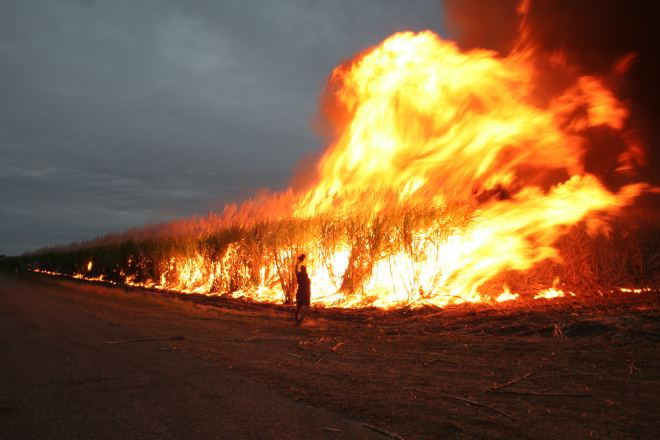
Successive natural disasters in the last 10 years have galvanised affected communities into demanding climate action, and adaptation. “The most catastrophic bushfire season ever experienced in the country’s history” (World Wildlife Fund Australia) in 2019-2020 destroyed over 3,000 homes, killed 33 people and 1.25 billion animals, and burned up to 19 million hectares, leaving long term damage. The smoke blanketed cities, caused respiratory illness, and people in their thousands rallied to demand that the Morrison government take action on climate. Bushfire Survivors for Climate Action groups formed in the areas where the fires burned homes.
The city of Lismore in northern NSW is built on a flood plain, and recorded its highest ever flood peak of 14.4metres in 2022. It also flooded in 2017 and 2025. The 2022 floods destroyed about 1,500 homes and made another 4,000 uninhabitable. The NSW Government home buyback scheme is expensive and slow. There are many still homeless in Lismore. The Lismore community has organised for flood action and resilience.
As the risks of climate change materialise, the people affected will organise. As more people are affected, political parties that refuse to commit to action will lose support. And Labor will be forced to commit to demands for more effective action that it so far resists, such as ending approvals for new fossil fuel extraction, and restricting the purchase of so-called carbon offsets. They should also be reminded to compare the supposed economic benefits of maintaining the fossil fuel industry with the economic risks of failing to reduce emissions.
Comments?We welcome replies, corrections and debate pieces. Contact us